Savanna Mint (Lippia): Benefits, Tradition & Research
Savanna Mint is a fragrant West African herbal tea traditionally enjoyed for relaxation, refreshment, and its soothing aromatic character. Often called Thé de Gambie, the naturally caffeine-free leaves produce a soft, minty-herbal infusion that can be enjoyed in the morning, after a long day, or before bedtime.
Lippia multiflora or Lippia chevalieri?
Across West Africa, aromatic leaves sold as Savanna Mint or Thé de Gambie may be described in traditional and commercial literature as Lippia multiflora or Lippia chevalieri. They belong to the same botanical genus, but they should not automatically be treated as the same species.
Lippia multiflora Moldenke is the accepted scientific name used by the Royal Botanic Gardens, Kew, and it is the species examined in the 2024 human blood-pressure study discussed below. Some Saafara and regional references use Lippia chevalieri for West African Savanna Mint. Because plant chemistry can vary between species and growing regions, research findings should always be connected to the exact botanical material studied.
A West African tea tradition
Lippia multiflora is an aromatic shrub native to tropical Africa. Its leaves have long been prepared as a hot infusion. In rural West African communities, Thé de Gambie is traditionally served after a day’s work to encourage calm and relaxation. In towns and cities, many people enjoy it in the morning as a fragrant, caffeine-free start to the day.
The leaves are also traditionally used as a febrifuge, an herbal preparation associated with fever and for respiratory and digestive comfort. These traditional uses are an important part of African botanical knowledge, although not every use has been confirmed by modern human clinical trials.
Health benefits and current research
Blood-pressure research
A 2024 randomized controlled trial studied a Lippia multiflora-based aqueous infusion in 80 adults diagnosed with stage I hypertension. Both groups received standard lifestyle and DASH-style dietary recommendations; one group also received the Lippia preparation for 60 days.
Compared with lifestyle and dietary guidance alone, the Lippia group had significantly better blood-pressure results: the reported difference was 12.70 mmHg for systolic pressure and 8.25 mmHg for diastolic pressure. The researchers also reported that no adverse drug reactions were recorded during the study.
This human study supports the traditional interest in Lippia multiflora for blood-pressure management. It does not establish that every Savanna Mint product, species, dose, or ordinary cup will have the same effect. People taking blood-pressure medication should consult a qualified healthcare professional before using a concentrated herbal preparation regularly.
Relaxation, stress, and sleep
Savanna Mint has a long-standing reputation as a calming evening drink. A scientific review of 52 Lippia species reported sedative and antispasmodic activity among some species in the genus, while traditional accounts describe the infusion as relaxing after physical work. More species-specific human research is still needed before claiming that an ordinary cup treats insomnia or anxiety.
Polyphenols and antioxidant activity
Lippia leaves contain phenolic compounds and flavonoids that researchers associate with antioxidant activity. The concentration and composition can change with the species, harvest location, and preparation method, which is another reason accurate botanical identification matters.
Traditional febrifuge and respiratory use
West African communities have traditionally prepared the leaves as a febrifuge and for seasonal respiratory comfort. A broad ethnopharmacology review found that Lippia species are commonly used for respiratory and gastrointestinal concerns and reported anti-inflammatory and other pharmacological activities in the genus. These historical uses should be understood as traditional knowledge, not as a replacement for medical diagnosis or treatment.
Flavor profile
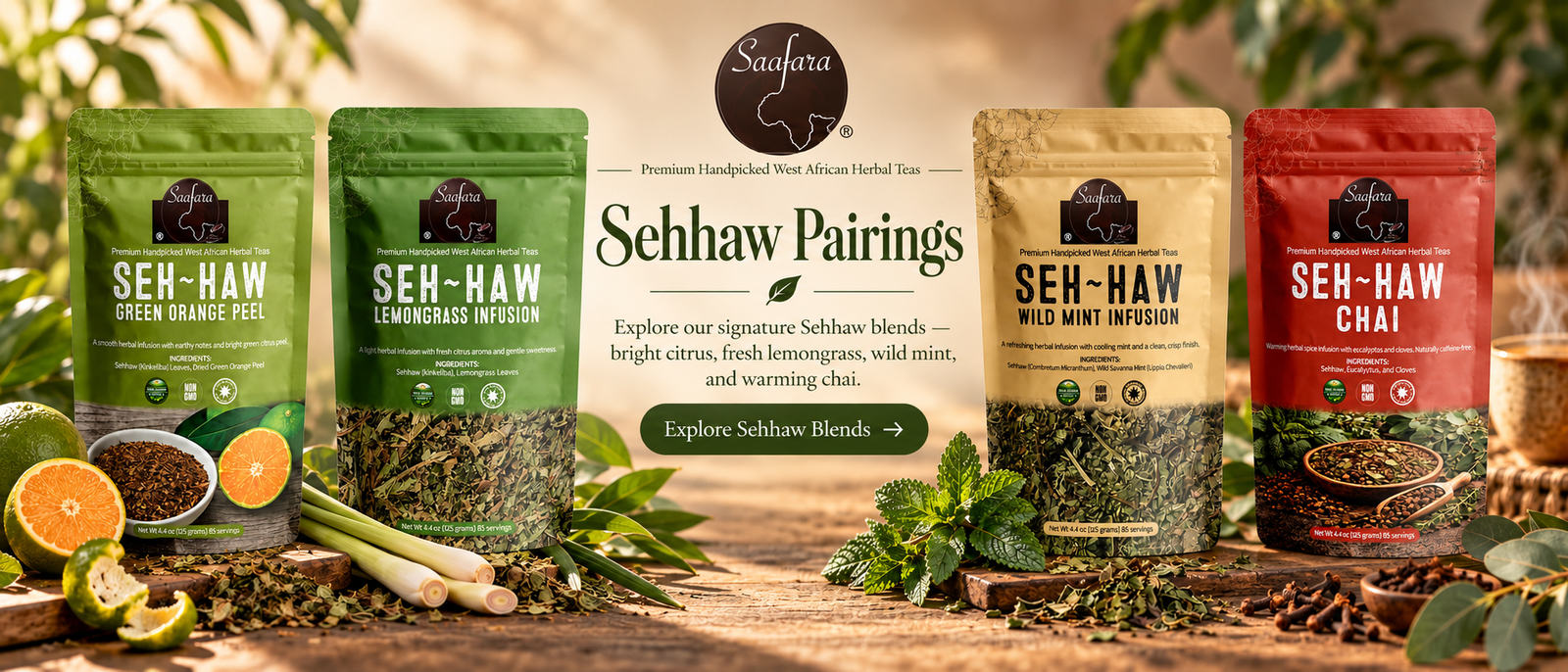
Savanna Mint is aromatic, softly minty, herbaceous, and gently cooling without the sharp intensity of peppermint. It is pleasant on its own and also pairs well with Sehhaw, lemon, ginger, or a little honey.
How to brew Savanna Mint
- Add 1 to 2 teaspoons of dried leaves to an 8-ounce cup.
- Pour freshly boiled water over the leaves.
- Cover and steep for 5 to 7 minutes.
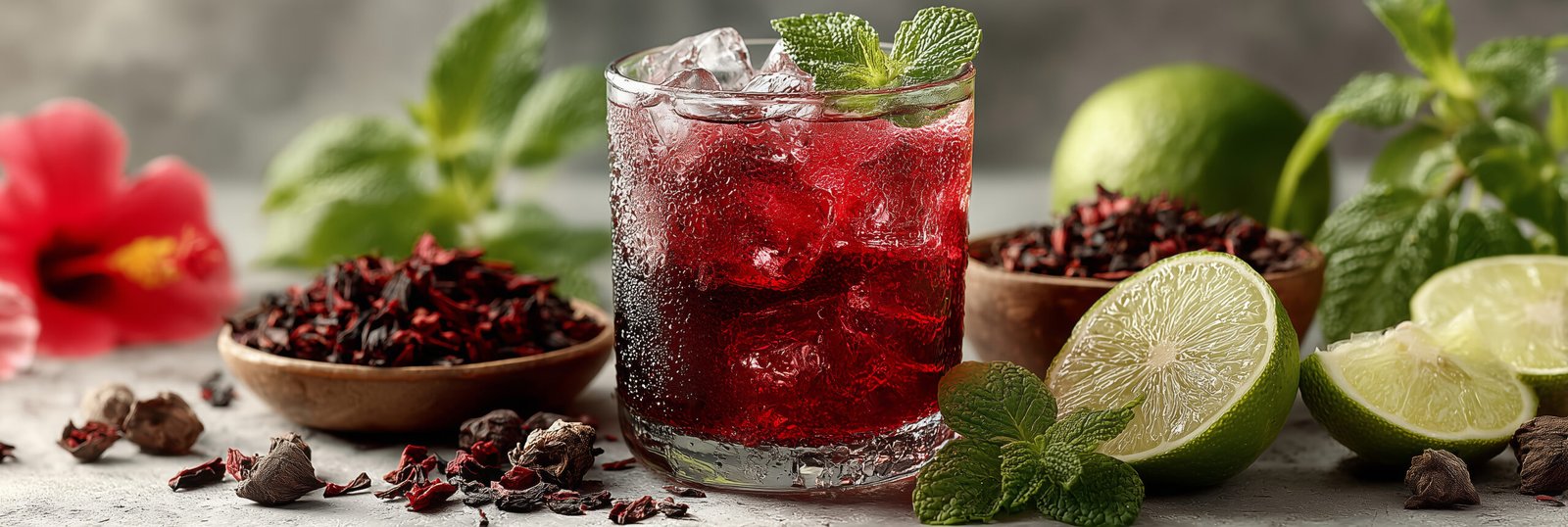
- Strain and enjoy hot, or chill and serve over ice.
For a stronger infusion, add more leaves or extend the steeping time. Do not assume that a household serving is equivalent to the standardized preparation used in a clinical study.
Experience West African Savanna Mint
Enjoy it pure or blended with Saafara Sehhaw for a smooth, naturally caffeine-free cup.
Research and botanical references
- 2024 randomized trial: Lippia multiflora and stage I hypertension
- Review of traditional uses, chemistry, and pharmacology of the Lippia genus
- Royal Botanic Gardens, Kew: accepted record for Lippia multiflora
Health note: This article discusses traditional use and published research; it is not individualized medical advice. If you have hypertension, are pregnant or nursing, or take medication, speak with a qualified healthcare professional before using Savanna Mint regularly. Do not stop prescribed treatment without medical guidance.