White Hibiscus: The Rare Side of Bissap Most Tea Drinkers Have Never Tried
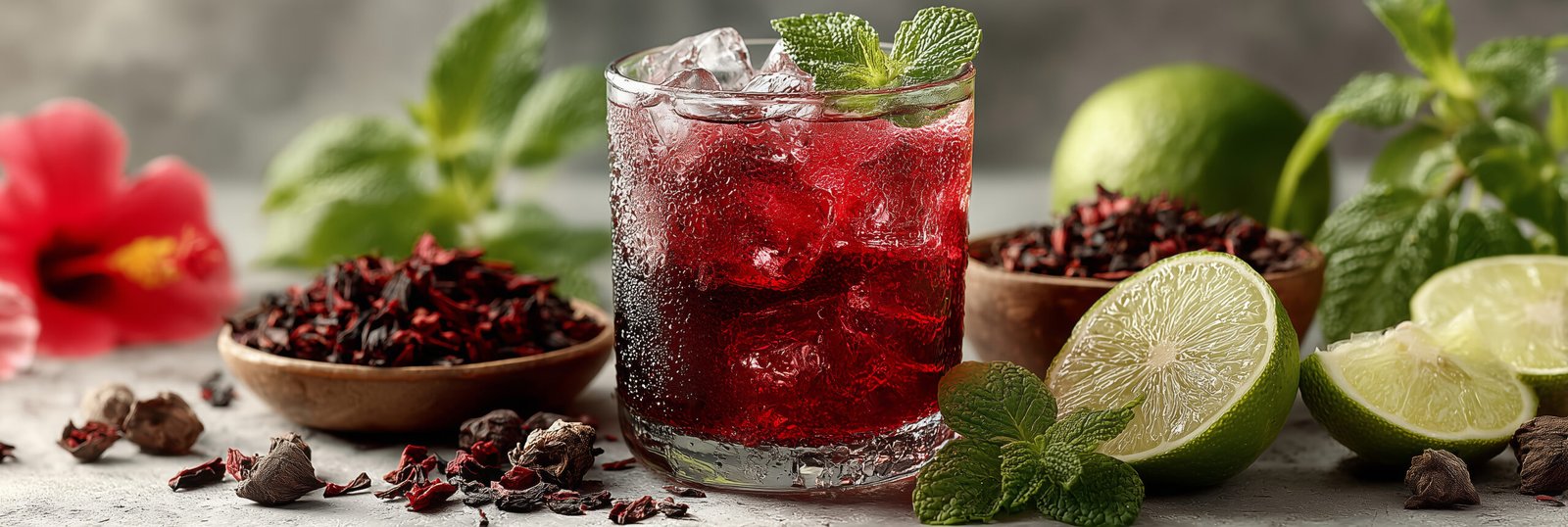
When most people hear hibiscus tea, they picture a deep ruby-red drink. That makes sense: red hibiscus is famous around the world as bissap, sorrel, roselle, agua de Jamaica and karkadé. But there is another side of Hibiscus sabdariffa that far fewer tea drinkers know: white hibiscus.
Yes, white hibiscus is real
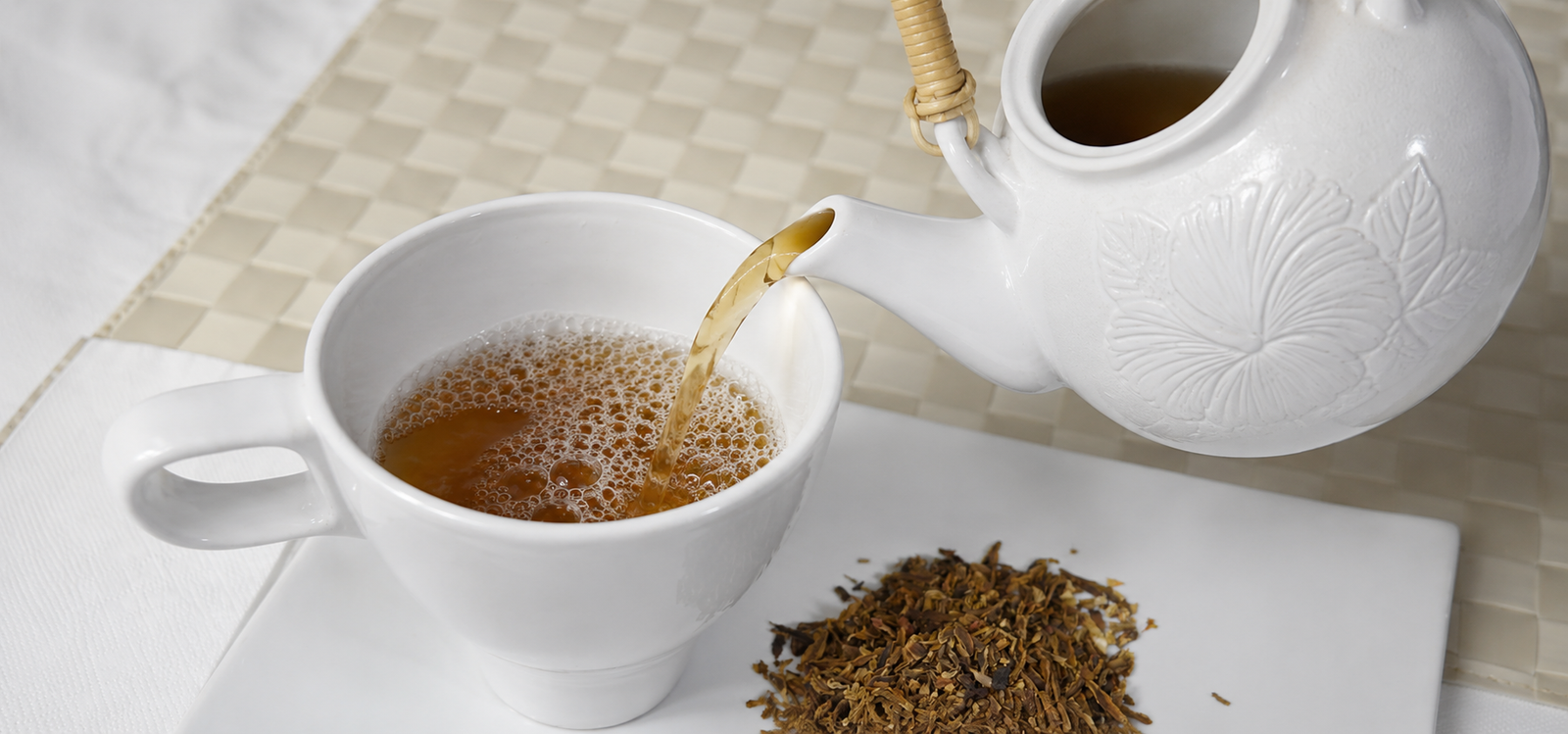
Botanical research recognizes both red and white calyx types of Hibiscus sabdariffa. The major visual difference is anthocyanin content, the natural pigments responsible for the intense red color of familiar hibiscus drinks. White hibiscus lacks that same deep red pigmentation, so its infusion is much lighter, often pale gold to amber rather than crimson.
That lighter color changes expectations before the first sip. Instead of a bold red punch, white hibiscus offers a brighter, more delicate presentation with a naturally tart, citrus-like character.
A West African ingredient, not a novelty
In Senegal and elsewhere in West Africa, hibiscus is more than a beverage ingredient. Different varieties are used in drinks and cooking, and the white form has a place in regional food traditions. FAO material on Senegal notes that both red and white hibiscus calyces may be used for bissap-style preparations, while the white variety is also valued for culinary uses.
This is one reason Saafara is excited about introducing white hibiscus to more tea drinkers: it is unusual in the American tea aisle, but it is not new.
What does white hibiscus taste like?
Think crisp, tart and refreshing, but less visually dramatic than red hibiscus. Its pale liquor works beautifully hot or cold, and it is especially attractive in clear glassware where the golden hue can be appreciated.
Try it simply with water first. Then experiment with mint, citrus peel, a touch of honey, or sparkling water. Because it does not turn every drink deep red, it can also be a beautiful base for elegant mocktails and light botanical blends.
The best reason to try it
White hibiscus is one of those ingredients that reminds us how narrow the global tea shelf can be. A plant may be familiar in one culture and almost unknown in another. Trying it is not just tasting a new flavor, it is discovering another branch of a larger food tradition.
Explore: Saafara White Hibiscus.
Further reading
Hibiscus sabdariffa calyx types and processing · FAO Senegal food heritage guide