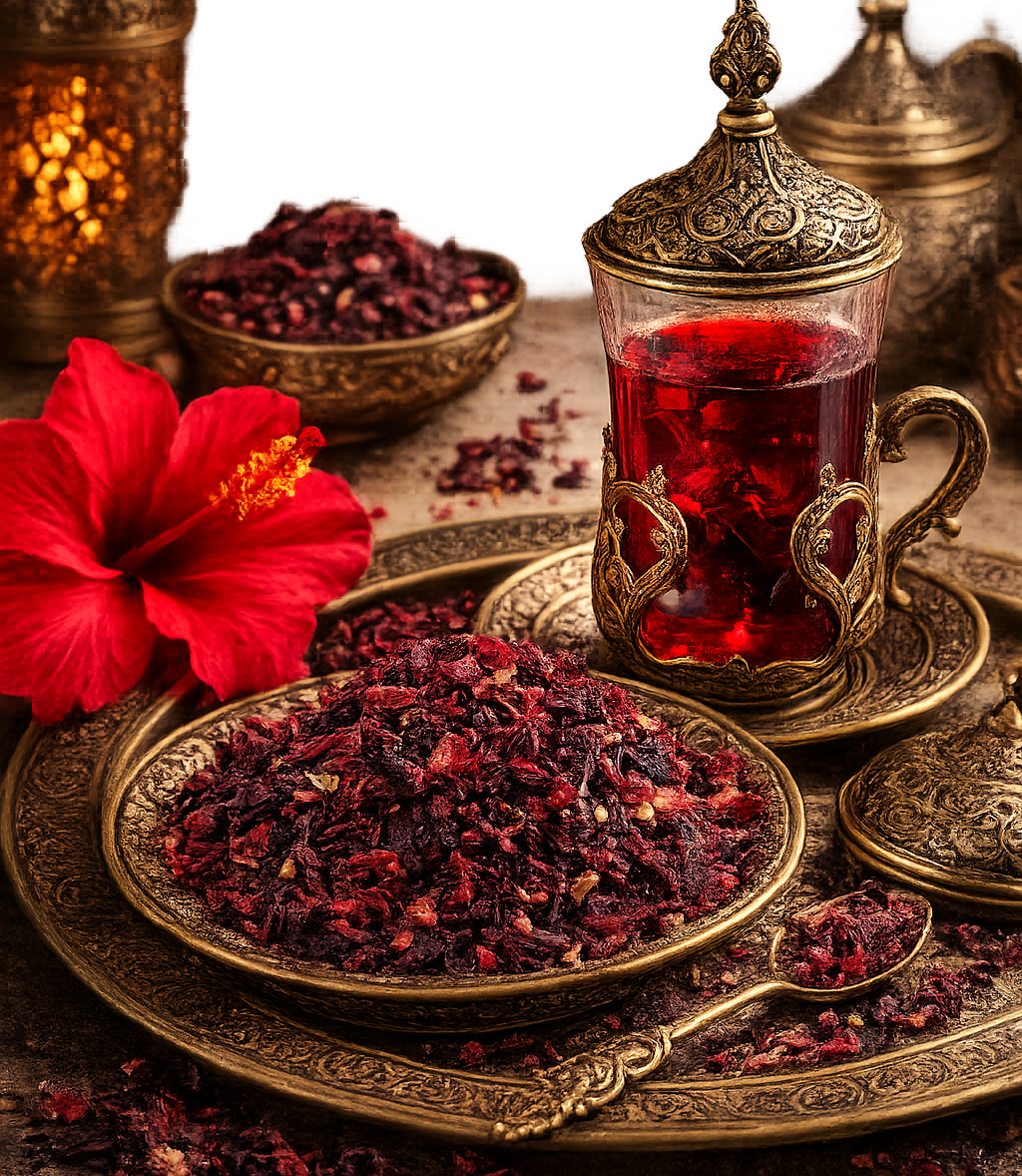
Bissap Beyond Red: How Hibiscus Became a West African Classic
Few herbal drinks are as immediately recognizable as bissap. Made from the calyces of Hibiscus sabdariffa, it brews into a jewel-toned drink with a tart, fruity flavor and a refreshing finish. In Senegal, bissap is part of everyday life—and its story reaches far beyond a single glass.
A drink with many names
Travel across the world and hibiscus appears under different names: bissap in Senegal, sorrel in parts of the Caribbean, agua de Jamaica in Mexico and Central America, karkadé in North Africa and roselle in English-language markets. The names change, but the plant connects food traditions across continents.
Smithsonian research on the history of “red drink” in the United States traces part of that tradition back to West African hibiscus beverages. That connection makes bissap especially interesting: it is both deeply local and globally influential.
What makes the flavor memorable?
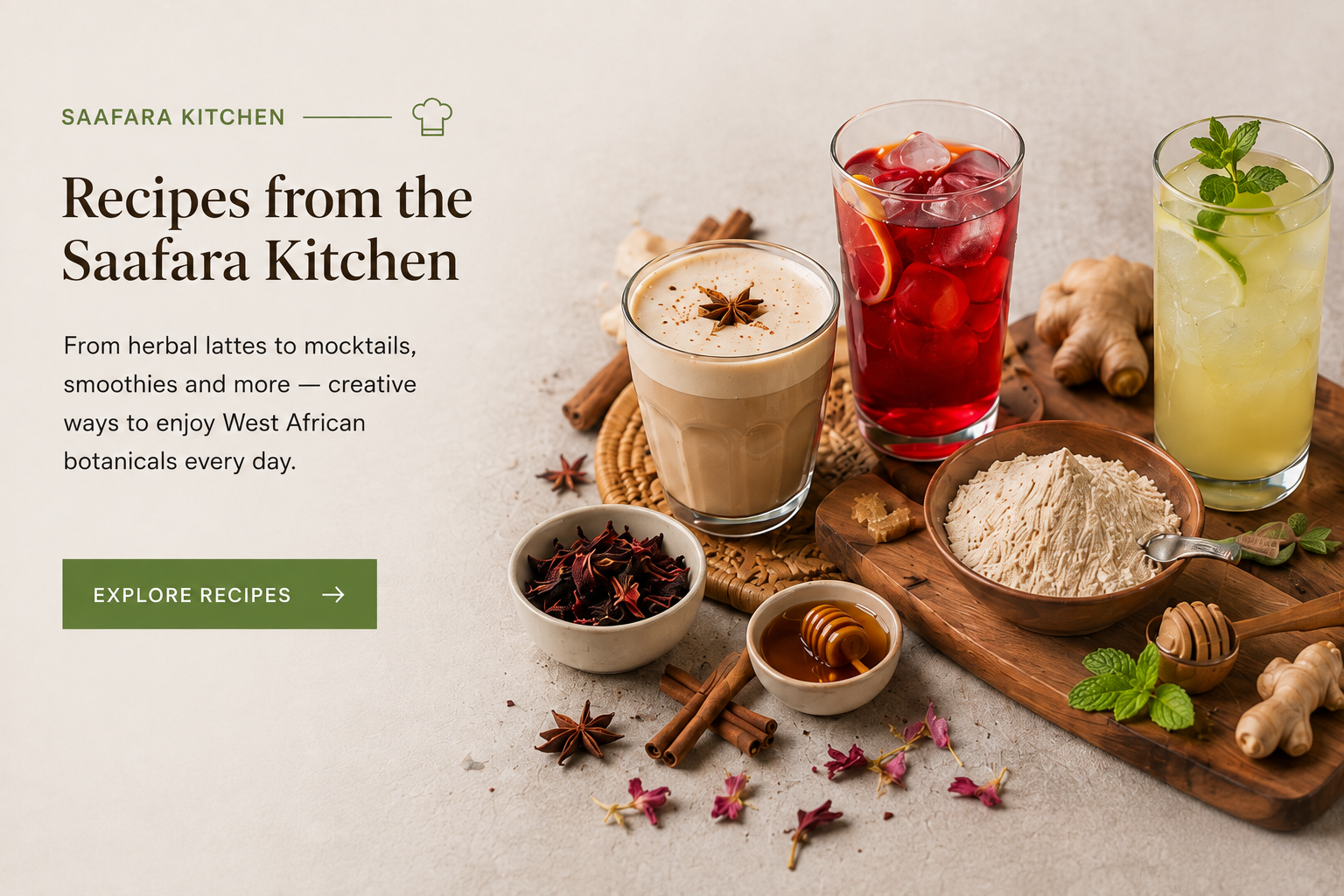
Hibiscus is naturally tart. A well-made glass balances that acidity with aroma and sweetness. Senegalese-style preparations may include mint, citrus or other flavorings, while modern versions can be served sparkling, unsweetened, lightly sweetened, or mixed into mocktails.
The deep red color comes from natural plant pigments called anthocyanins. Different cultivars produce slightly different levels of color, acidity and aroma, which is why one hibiscus can taste noticeably different from another.
Hot, cold, simple or dressed up
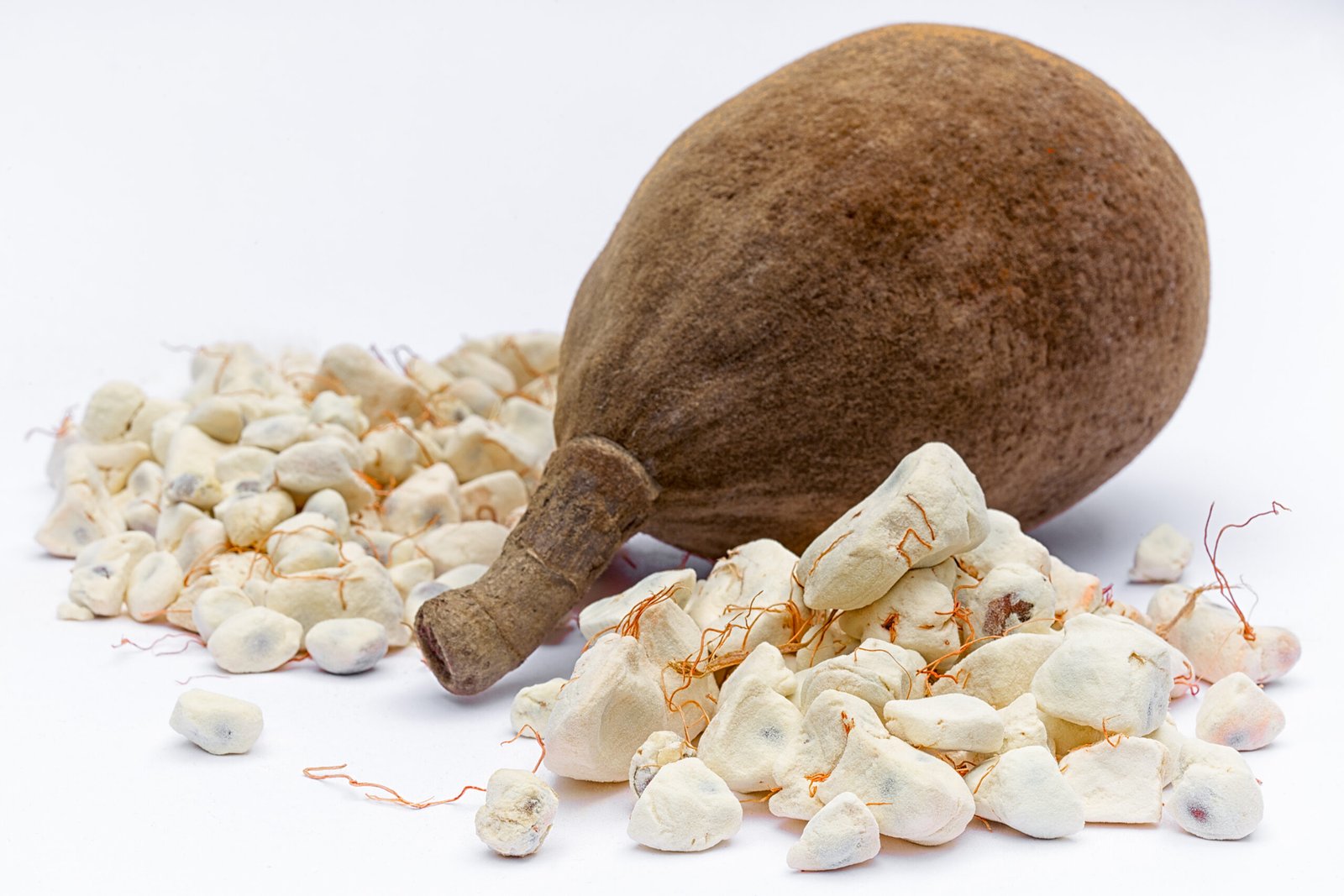
Bissap is often associated with a cold red drink, but hibiscus is just as good brewed hot. For iced tea, steep the calyces, strain, cool, then pour over ice. For a brighter drink, add fresh mint or citrus. For a softer texture, blend hibiscus with baobab.
Whole calyces, cut-and-sifted hibiscus and hibiscus powder each offer a different way to use the same plant. Whole calyces are beautiful and traditional; cut hibiscus is convenient for brewing; powder is useful for smoothies, drinks and recipes.
Why tea lovers keep coming back
Hibiscus has the combination tea drinkers love: strong identity, versatility, dramatic color and a flavor that works hot or cold. But its cultural history gives it something more. Bissap is not simply a trendy botanical—it is part of a long West African food tradition that continues to evolve.
Explore: Saafara Herbal Teas and Botanical Blends.
Further reading
Smithsonian: A Brief History of Red Drink · Research on Senegalese hibiscus beverages